

Ball Position Tips
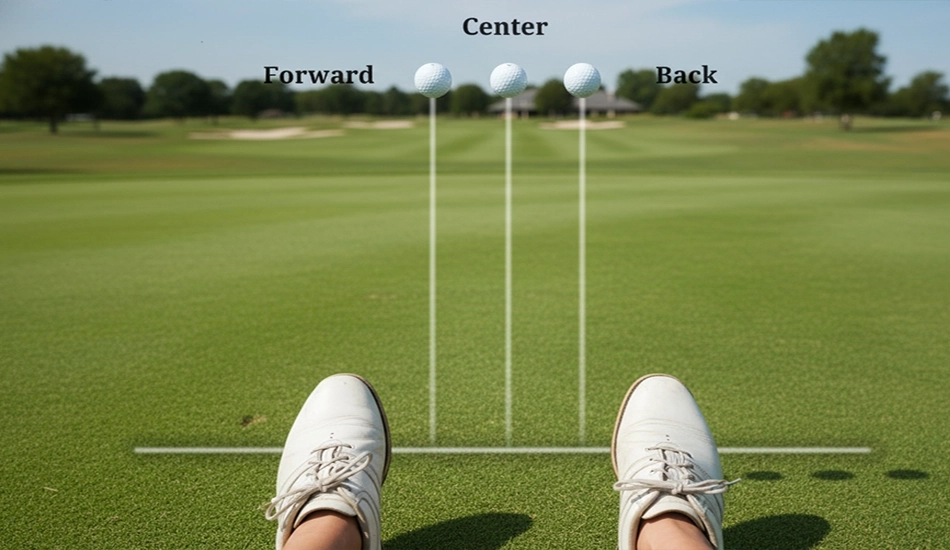
Ball Position refers to where you place the ball relative to your stance in sports…
Read More 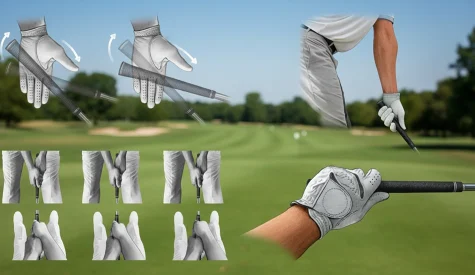
This is one of the most popular grips among experienced golfers. The pinky finger of your trailing hand rests on top of the gap between your lead hand’s index and middle finger. It promotes smooth hand connection and helps prevent excessive wrist action.
In the interlocking grip the pinky finger of the trailing hand locks with the index finger of the lead hand. This style is common among golfers with smaller hands or players who prefer a more secure connection between the hands.
Ten Finger Grip
A neutral grip offers the most consistent control. Both hands sit naturally on the club with minimal tension. This position helps square the clubface and keeps ball flight predictable.
A strong grip shows more knuckles on the lead hand and rotates both hands slightly to the trailing side. It can help golfers who struggle with slicing because it encourages the clubface to close more easily through impact.
Weak Grip
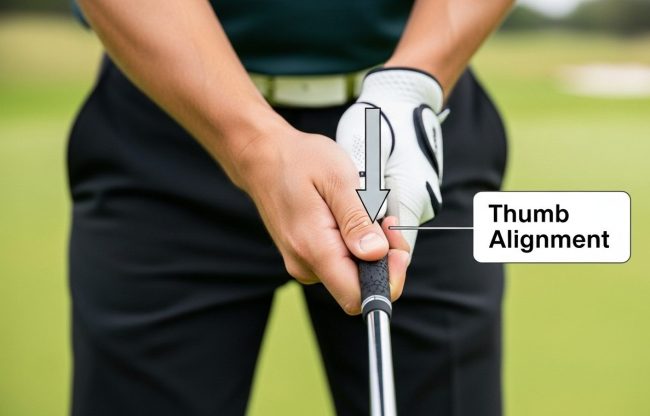
A tight grip restricts wrist hinge and creates tension throughout the arms and shoulders. This leads to poor rhythm and reduced clubhead speed. A lighter hold allows for smoother and more powerful motion.
Thumbs that sit off center can cause twisting of the clubface. Make sure both thumbs point down the shaft in a comfortable position that encourages a stable grip.
Separating the Hands
 Setup & Address
  Setup & Address
 Categories
They happen when your spine, hips and shoulders move in perfect harmony.
Turn every swing into a lesson. Try SpineAlign free.