

Club Types
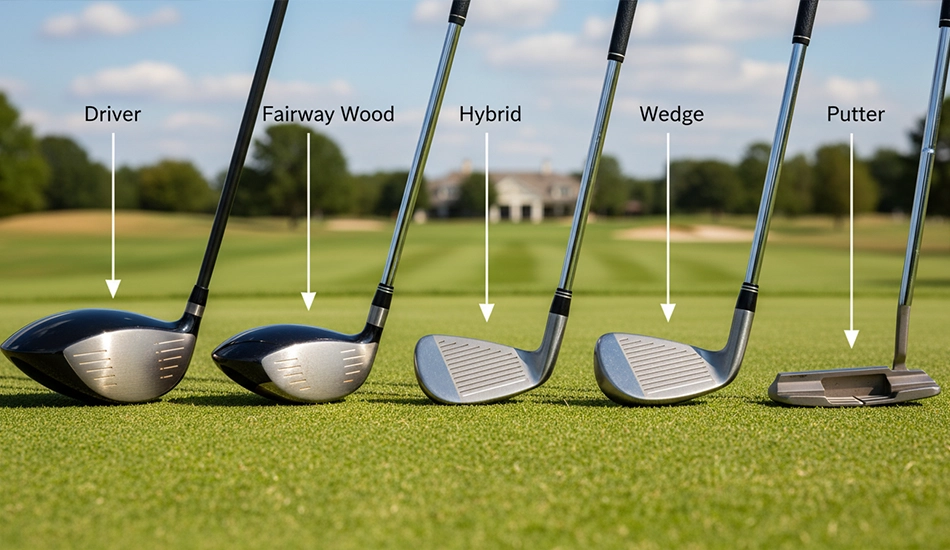
Understanding the different types of golf clubs and how they are used is one of…
Read More 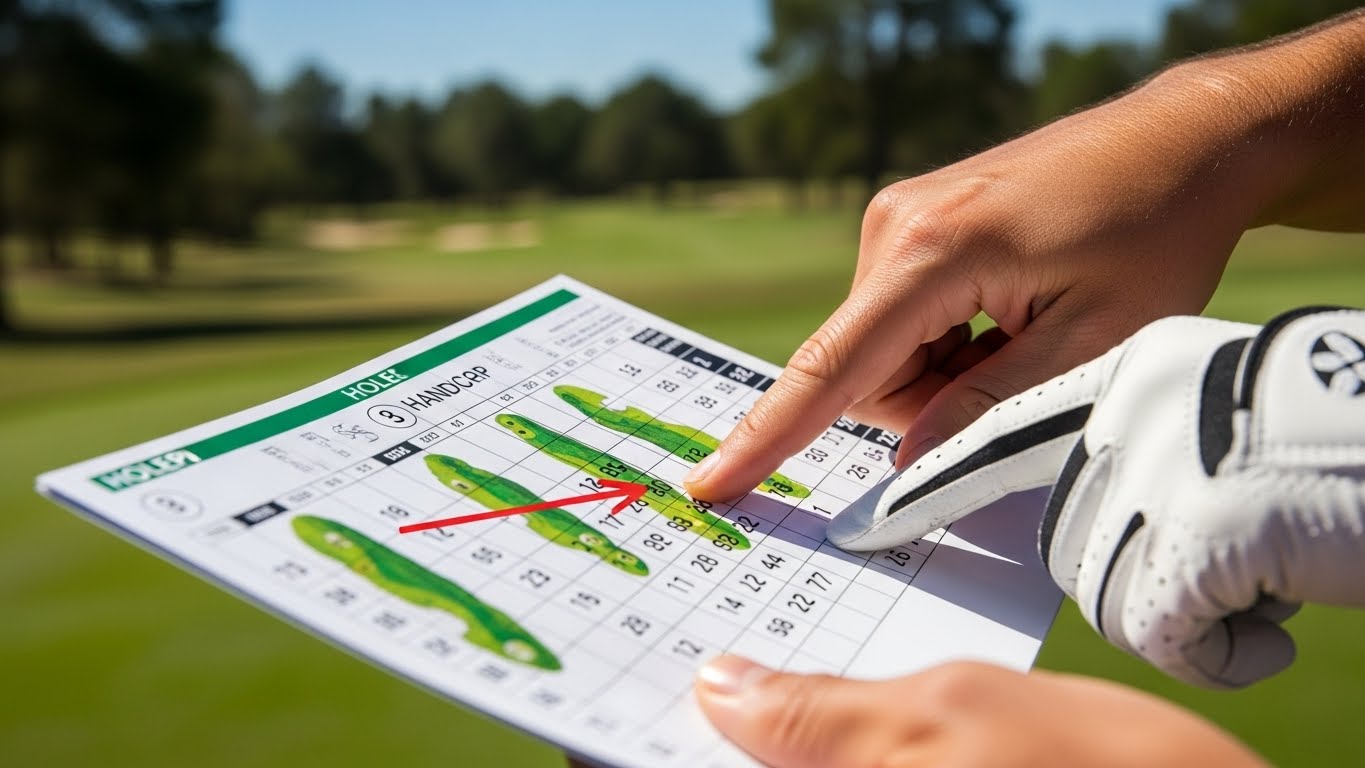
A golf handicap represents a numerical measure of a golfer’s playing ability. It shows how many strokes over par a golfer typically shoots in a round. Handicaps allow golfers of various skill levels to compete evenly because weaker players receive extra strokes while stronger players give strokes.
In simple terms the lower your handicap the stronger your playing ability and the higher your handicap the more strokes you generally need to complete a course.
Handicap calculations are based on adjusted gross scores, course rating and slope rating. These elements combine to show how difficult a course is and how well you performed relative to that difficulty.
A golfer does not need to shoot perfect rounds to build a handicap. Instead the system looks at your scoring potential by using your best rounds and adjusting them to match standard course difficulty.
A handicap index is your universal number that represents overall playing ability and is portable from course to course. A course handicap adjusts that index to account for the specific course rating and slope rating of the course you are playing.
Your course handicap determines how many strokes you receive on that specific course for that specific tee box.
A good handicap depends on your goals and experience. Many recreational golfers fall between a handicap of 15 to 25. More advanced golfers often play at single digit handicaps. Professional golfers play at or near scratch meaning a handicap of zero.
The goal is not to match someone else’s number but to steadily improve your own.
 Golf Terms
  Golf Terms
 Categories
They happen when your spine, hips and shoulders move in perfect harmony.
Turn every swing into a lesson. Try SpineAlign free.