

Setup & Address
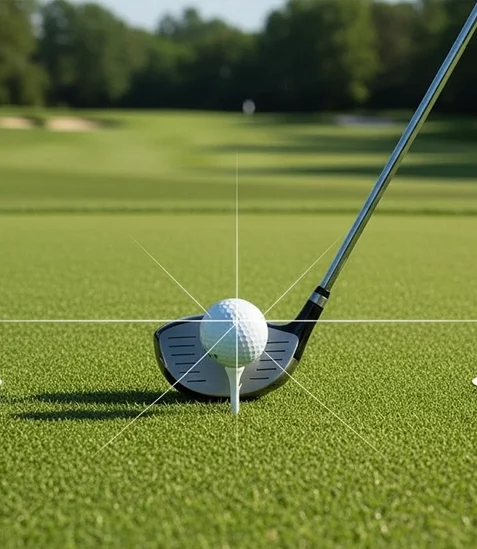
A proper setup and address position is the foundation of every consistent golf swing. Before…
Read More 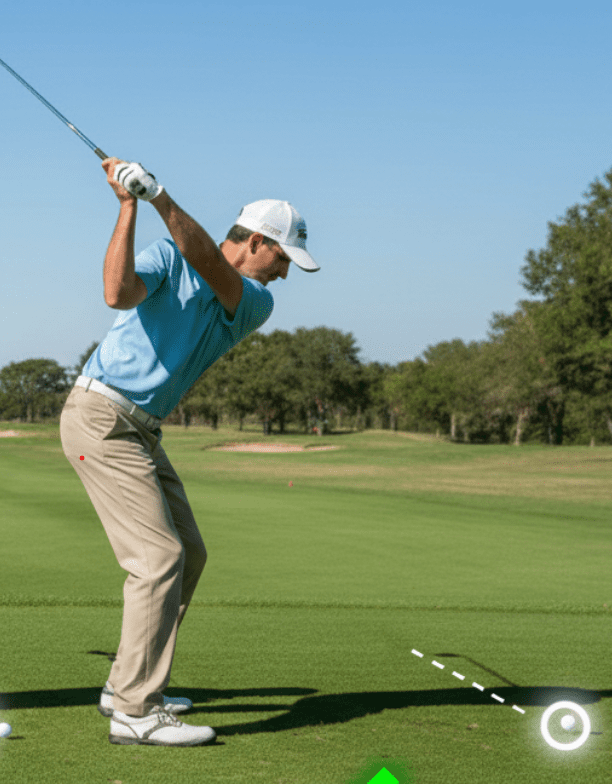
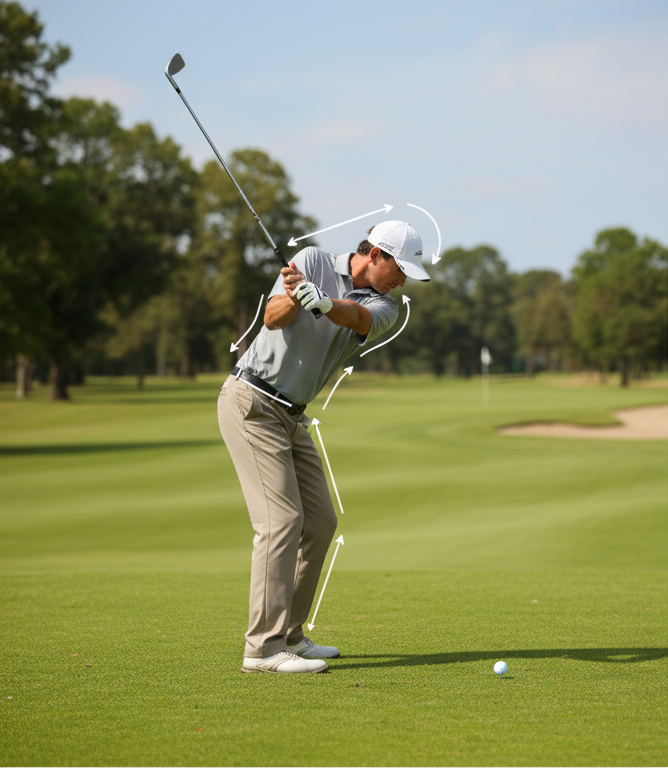
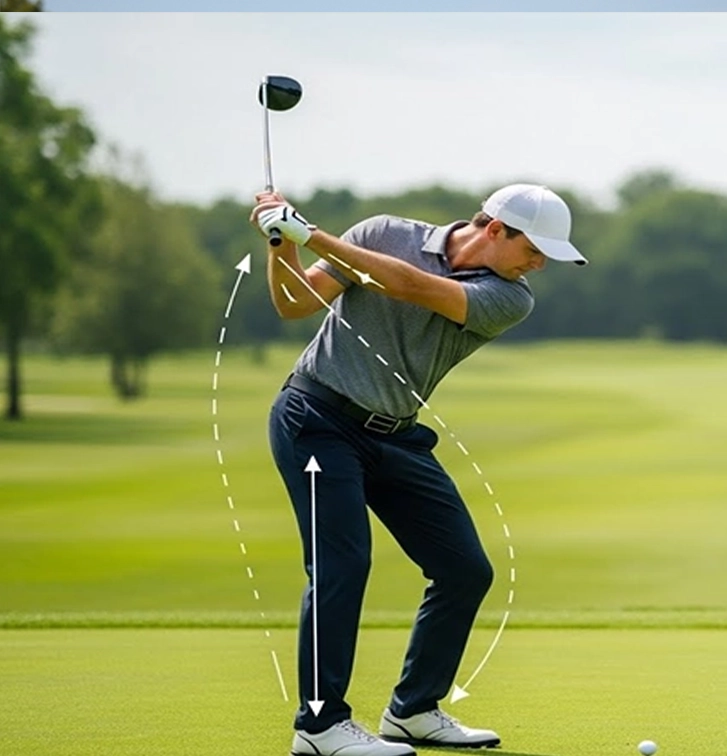
A complete shoulder rotation allows your body to coil around your spine. Your lead shoulder should move under your chin while your trail shoulder rotates behind you.
The trail elbow should sit comfortably near the body not flaring too high. This helps keep the club on plane and makes it easier to deliver it squarely.
A correct wrist hinge positions the club at the right angle at the top. The club should form a stable L shape not collapsing or cupping too much.
The shaft should generally point toward the target or slightly right of it for right handed golfers. If the club crosses the line or falls behind the body it can lead to off plane downswing movements.
Taking the club too far back creates inconsistency and loss of control. This often happens when the arms continue moving after the body stops turning.
If the shaft points too far past the target line it leads to rerouting issues and can produce hooks or pushes.

A bent lead arm reduces width and power which affects speed and timing.
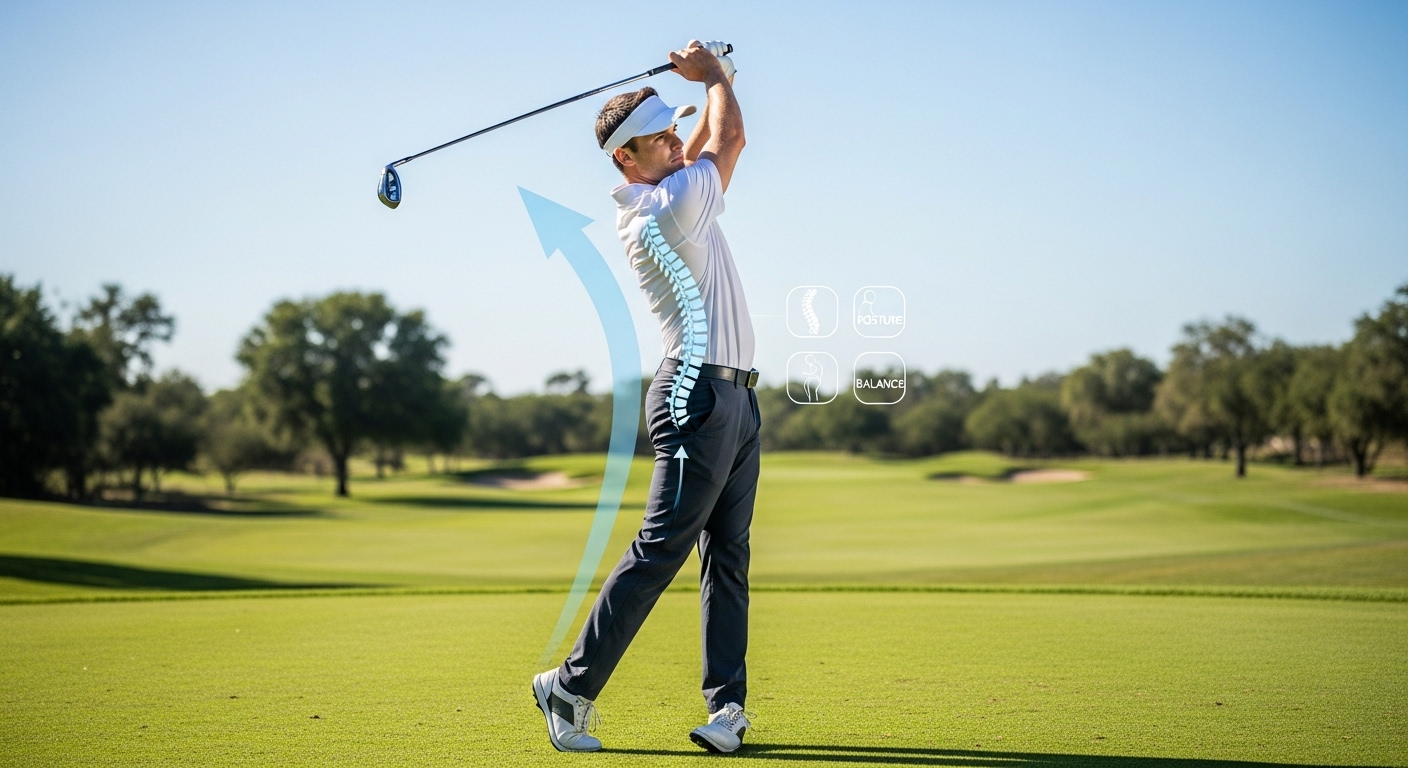
Standing up or changing your spine angle mid swing disrupts the entire sequence.
 Swing Tips
  Swing Tips
 Categories
They happen when your spine, hips and shoulders move in perfect harmony.
Turn every swing into a lesson. Try SpineAlign free.