

Swinging a golf club can feel awkward when you’re starting out. One shot flies straight, the next dives into the trees, and suddenly golf feels more confusing than relaxing. The good news? A solid golf swing isn’t about talent or strength it’s about fundamentals, timing, and repetition.
This beginner-friendly guide breaks down how to swing a golf club correctly, step by step. Whether you’re brand new or trying to clean up bad habits, you’ll learn how to build a reliable swing that produces better contact, more distance, and improved accuracy.
How to Swing a Golf Club Correctly: A Simple Overview
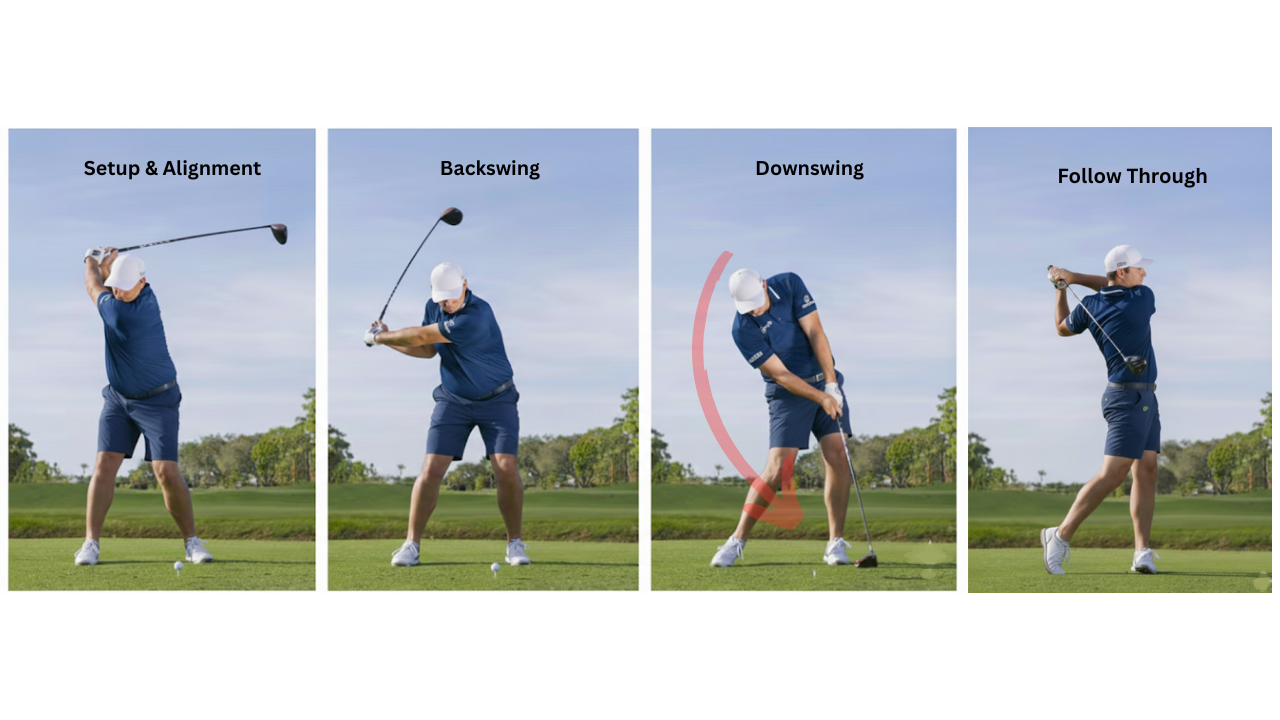
At its core, a proper golf swing follows a natural flow:
- Set up with balance and alignment
- Grip the club comfortably
- Rotate your body smoothly on the backswing
- Shift weight and unwind on the downswing
- Strike the ball cleanly and finish balanced
Think of the swing like a pendulum, not a punch. Smooth beats fast every time
Stance: Building a Strong Foundation
Your stance sets the stage for everything that follows.
Position the Ball Correctly: Place the ball slightly forward of center for longer clubs and closer to the middle for shorter irons. Drivers work best when the ball is near your front foot. Right-handed players should have their left foot closer to the target, while left-handed players do the opposite.
Create Athletic Balance: Stand with your feet just wider than shoulder-width. Bend your knees slightly and keep your weight centered on the balls of your feet. You should feel ready to move—not stiff or locked in place.
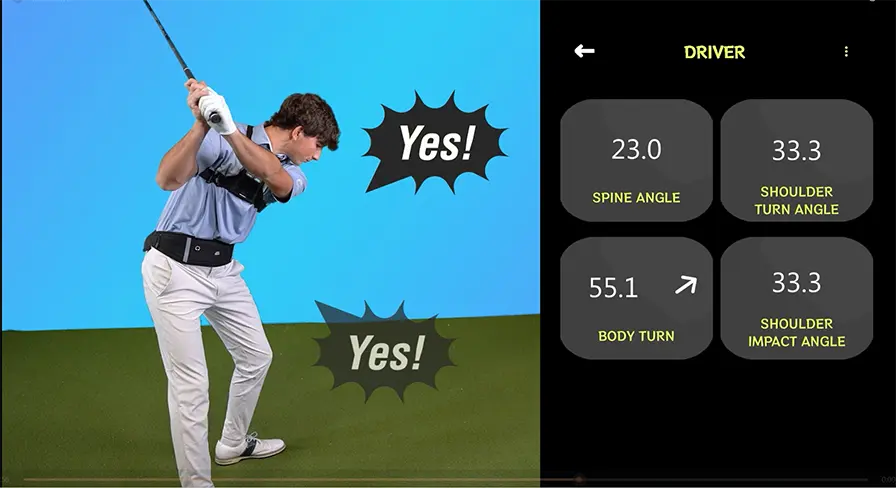
Posture Matters More Than You Think: Tilt forward from your hips while keeping your back straight. Let your arms hang naturally so the club reaches the ball without tension.

Grip: Your Only Connection to the Club
Relax Your Hands: A tight grip restricts movement and control. Hold the club firmly enough that it won’t slip, but lightly enough to keep your forearms relaxed. Imagine holding a small bird—secure, but not crushing it.
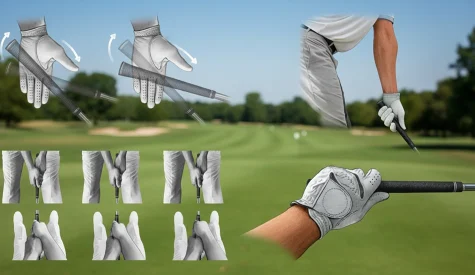
Common Golf Grip Styles:
- Baseball (10-Finger) Grip: All ten fingers touch the club. This grip feels natural and is popular with beginners and junior players.
- Overlapping Grip: The pinky of your trailing hand rests on top of the lead hand’s index finger. This grip offers stability and is widely used by experienced golfers.
- Interlocking Grip: The pinky and index finger lock together. Many professional golfers prefer this grip, especially players with smaller hands.
The Golf Swing: Step-by-Step Breakdown
The Backswing
Start the swing by rotating your shoulders, not by snatching the club back with your arms. Shift your weight gradually to your back foot while keeping your lead arm mostly straight. The club should rise smoothly, not abruptly. Rushing here creates chaos later.
Transition and Downswing
The downswing begins from the ground up. Shift your weight toward your front foot as your hips rotate toward the target. Your arms and hands follow naturally. Picture pulling the club downward rather than throwing it at the ball. This helps create lag and speed without effort.
Impact Position
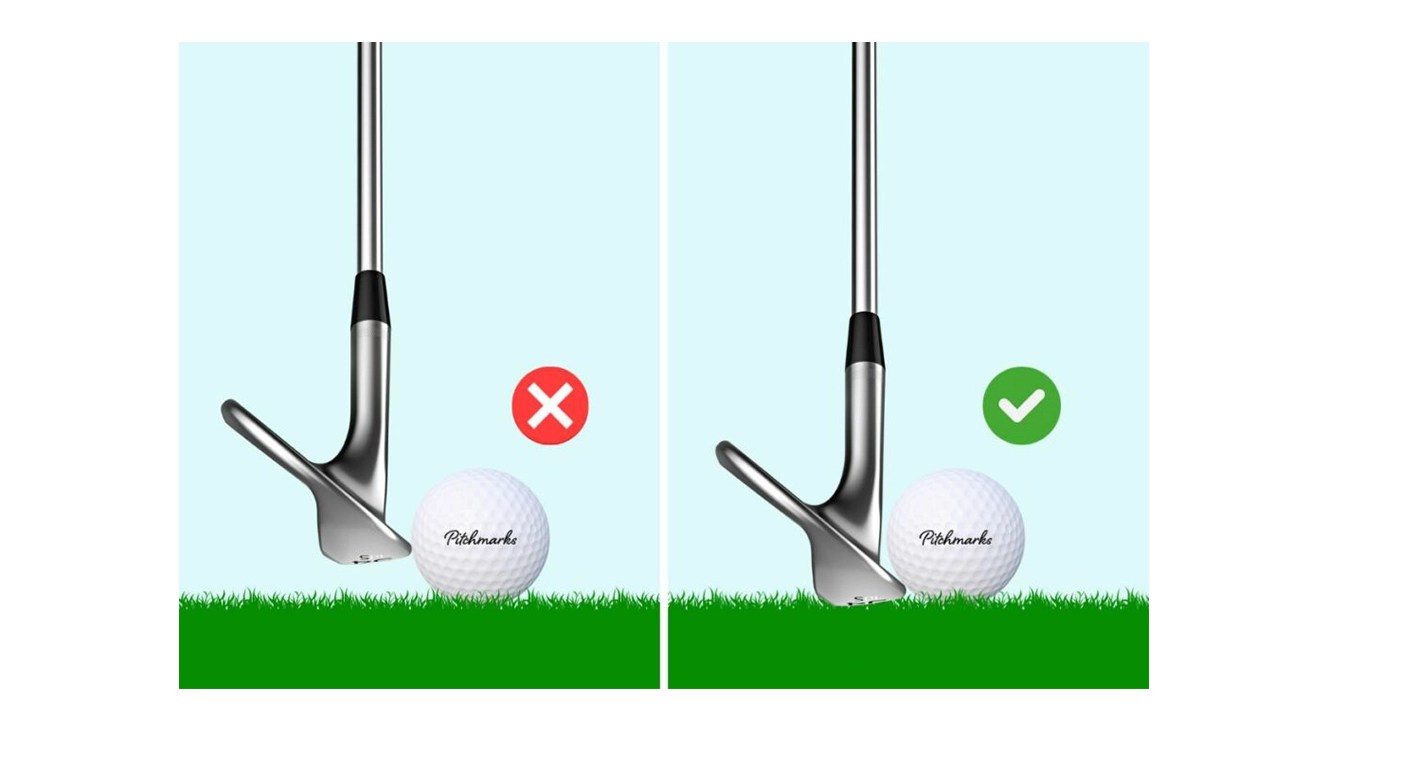
At impact, your hands should be slightly ahead of the clubhead. This ensures solid contact and cleaner ball flight. Keep your eyes on the ball and let your body rotation do the work.
Follow-Through
A good swing doesn’t stop at impact. Allow the club to continue through the ball, finishing high and balanced. Your chest should face the target, and most of your weight should be on your lead foot. If you can hold your finish comfortably, you likely swung well.
Power Comes from Technique, Not Muscle
Many beginners try to hit the ball harder by swinging faster. Ironically, this usually causes worse shots. True distance comes from:
- Proper weight transfer
- Hip rotation
- Clubhead speed created naturally
A smooth, controlled swing often sends the ball farther than a wild one.
Common Golf Swing Problems (And Fixes)
- Slicing the Ball: A slice often means the clubface is open at impact. Strengthen your grip slightly and focus on squaring the face through contact.
- Hooking Shots: Hooks usually come from overly active hands. Keep your grip neutral and avoid excessive wrist rolling.
- Hitting the Ground First (Fat Shots): This often happens when your hips sway instead of rotate. Maintain your spine angle and rotate around your center.
- Thin or Topped Shots: These occur when you lift your body during the swing. Stay down through impact and trust the motion.
Practice Tips That Actually Work

- Use slow-motion swings to build muscle memory
- Practice balance by holding your finish
- Rehearse swings without a ball to focus on form
- Use mirrors or video to spot flaws
Even 10–15 minutes of focused practice can make a noticeable difference.
How Long Does It Take to Learn a Proper Golf Swing?
You can build a functional swing in a few weeks, but refinement takes time. Golf is a game of progress, not perfection. The more you play and practice with intention, the more natural your swing will feel.
Conclusion
Learning how to swing a golf club correctly isn’t about copying professionals it’s about mastering the fundamentals that work for you. Focus on balance, rhythm, and consistency. Let technique create power, not force.
Stick with it. Every swing teaches you something, and every round is a chance to improve.