

Club Types
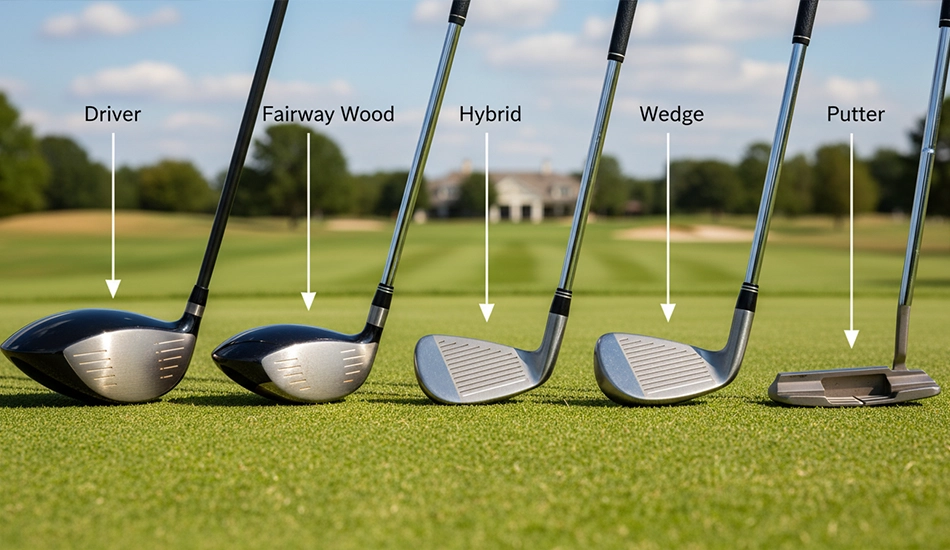
Understanding the different types of golf clubs and how they are used is one of…
Read More 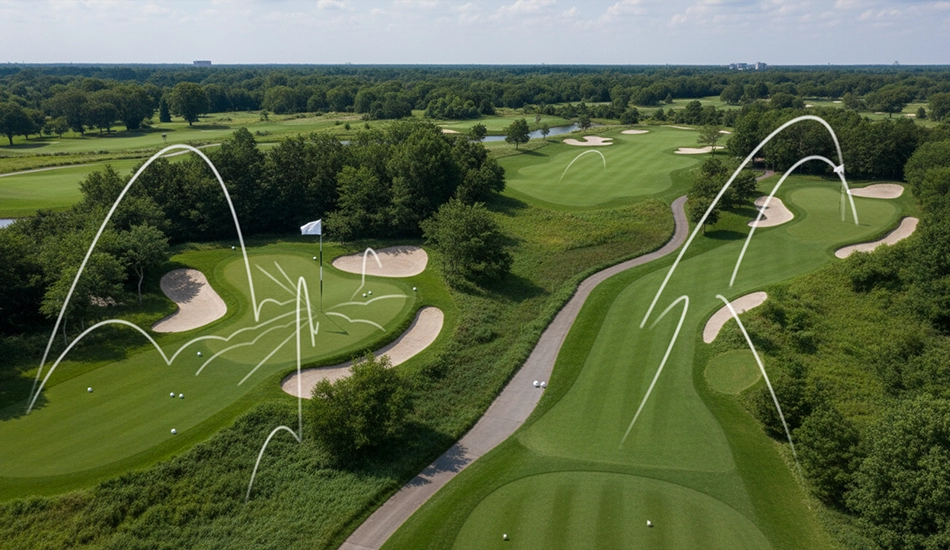
The tee box is the starting point of every hole. It is a designated area with several sets of tees that determine the length and difficulty of the hole. Golfers choose the appropriate tee based on skill level and course guidelines. A good tee box setup allows you to make a controlled opening swing and position the ball advantageously for your next shot.
The fairway is the closely mowed area between the tee and the green. It provides the ideal landing zone for approach shots because of its smooth turf and predictable roll. Hitting the fairway increases your chances of reaching the green in regulation and gives you more control over your next shot.
The rough surrounds the fairway and is cut longer to penalize inaccurate shots. Depending on the course, the rough can be light or extremely thick. Playing from the rough limits spin control and shot distance which makes accuracy a key priority off the tee and on approach shots.
The green is the finely trimmed area where the hole and flagstick are located. Greens vary in size, shape, and speed. The condition of the green influences how putts break and how fast or slow the ball travels. Learning to read greens is essential for consistent scoring.
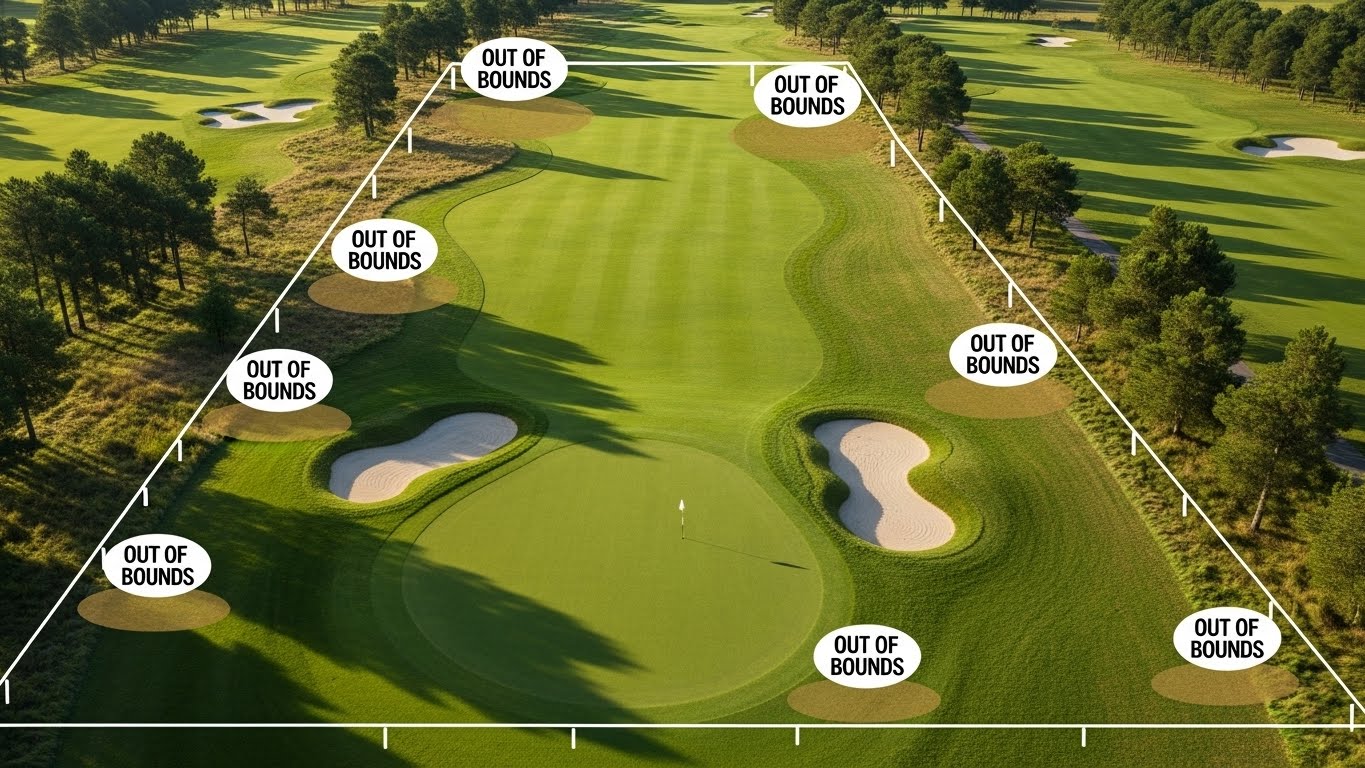
The fringe is the slightly longer grass that surrounds the green. It serves as a buffer that softens shots landing near the edge. Many golfers choose to chip, bump and run, or even putt from the fringe depending on lie and distance.
Bunkers are sand filled hazards placed around fairways and greens. Fairway bunkers test long range control while greenside bunkers demand precise touch to escape and save par. Understanding bunker depth, sand texture, and lip height helps you select the right club and strategy.
Lakes, ponds, and streams serve as penalty areas that challenge strategy and accuracy. Water hazards require smart shot selection because entering these areas results in a penalty stroke. Many holes use water to protect greens or shape risk and reward situations.
Trees, bushes, tall grass, and uneven terrain all play a role in shaping hole design. These natural elements force golfers to shape shots or recover creatively when out of position. Recognizing how natural obstacles affect ball flight will help you avoid trouble and plan smarter routes.
The Hole and Flagstick
 Golf Terms
  Golf Terms
 Categories
They happen when your spine, hips and shoulders move in perfect harmony.
Turn every swing into a lesson. Try SpineAlign free.