
How to Fix a Hook in Golf

A hook is a powerful right to left curve for right handed golfers. While some players enjoy a gentle draw, a severe hook can cause major accuracy problems and lead to lost shots. Spine Align Golf provides clear steps to understand why hooks happen and how to correct them using consistent setup and swing adjustments.

What Causes a Hook

A hook occurs when the clubface is closed relative to the swing path at impact. Most golfers who struggle with hooks deliver the club from too far inside with a face that rotates too quickly. This combination puts a strong left spin on the ball. Fixing a hook focuses on controlling face rotation and straightening your swing path for more balanced contact.

Key Adjustments to Help You Eliminate a Hook

Improve Your Alignment

Players with a hook often aim right without realizing it. This encourages an inside path that exaggerates the hook even more. Aim feet hips and shoulders square to the target line to promote a straighter path.

Balance Your Takeaway

A takeaway that moves too far inside leads to an overly rounded swing. Keep the clubhead slightly outside the hands in the first part of the backswing to prevent the club from dropping too far behind you.

Maintain a Stable Lead Wrist

A hook frequently comes from a lead wrist that closes the face too aggressively. Focus on keeping the lead wrist stable and flat while avoiding excessive bowing through impact.

Control the Release

Instead of allowing the forearms to roll quickly through the shot work toward a smoother release. Feel the clubface staying square through impact rather than flipping closed.
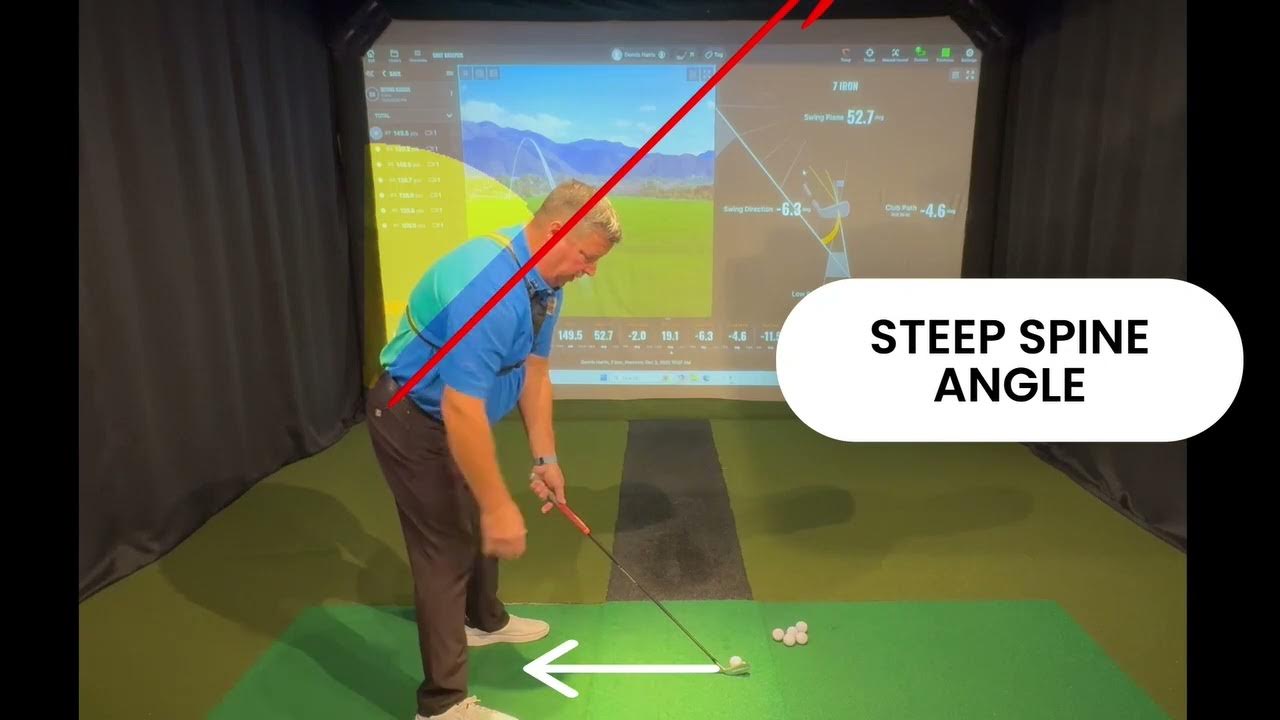
Hooks - Hooking

Adjust Ball Position

Having the ball too far back in the stance encourages an inside path and a closed face. Place the ball slightly forward of center for irons and inside the lead heel for the driver to promote cleaner contact.

Neutralize Your Grip

A grip that is too strong causes the face to close too early. Rotate both hands slightly to the left on the grip so fewer knuckles show on the lead hand. This reduces excessive wrist and forearm rotation during impact. Always use a grip trainer before making grip changes!
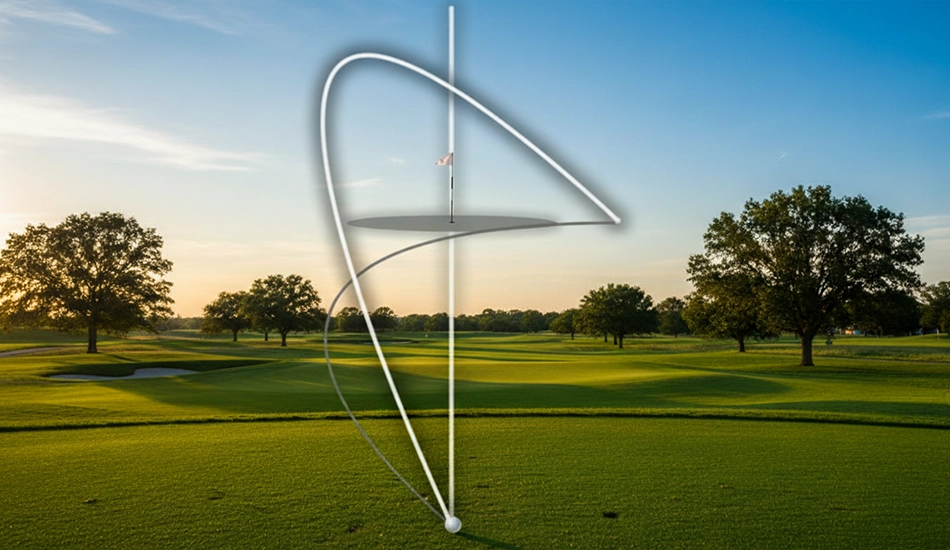
Encourage a More Neutral Swing Path

If your path moves too far from inside to out you will apply too much side spin. Make practice swings that feel straighter and more down the target line to reduce the curve.

Quick Recap of Effective Hook Fixes

  • Neutralize your grip.
  • Align your body square to the target.
  • Avoid excessive inside takeaway.
  • Keep a stable lead wrist.
  • Smooth your release through impact.
  • Move the ball slightly forward.
  • Train a more neutral swing path.

Conclusion

A hook can be a powerful shot, but when it becomes uncontrollable it costs valuable strokes. Consistently evaluate your grip, alignment, and swing path so you can make sure that you are set up correctly and achieve straight ball flight with confidence on every tee box. Download the Spine Align App for real time swing and alignment training. You can also visit the Spine Align Golf Academy for deeper instruction and performance tools.

Great swings do not happen by chance.

They happen when your spine, hips and shoulders move in perfect harmony.

Turn every swing into a lesson. Try SpineAlign free.

Product added to cart View Cart