Smarter Golf Starts With Better Motion
Choosing the right grip type is one of the most important steps in building a reliable swing. Your grip determines how your hands work together, how the club moves through the swing and how consistently you can control the face at impact. At Spine Align Golf we teach golfers that proper grip selection is a foundation for accuracy, distance and comfort. This guide explains the most common grip types when to use them and how to decide which option fits your natural motion.
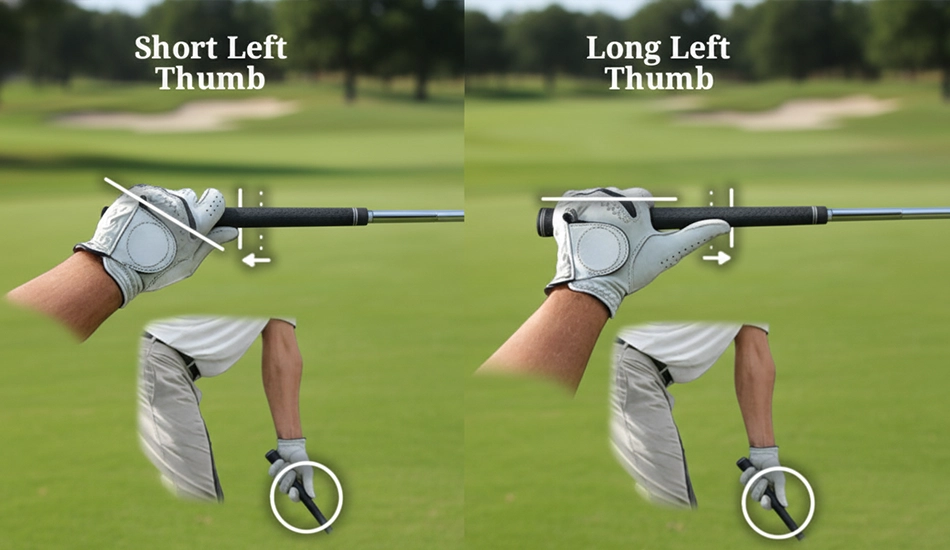
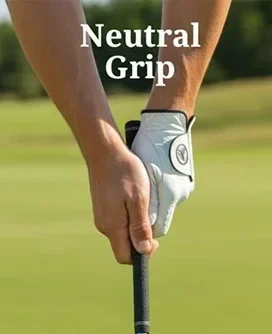
Every grip influences how your hands communicate with the club. A correct grip type gives you stability while still allowing your wrists to hinge freely. It encourages the clubface to return to square without extra effort and helps you generate solid contact with more predictable ball flight.
A poor grip type can create tension, restrict movement and lead to slices hooks or weak strikes.
The overlap grip, also called the Vardon grip, is one of the most widely used options among experienced golfers. In this grip the little finger of the trailing hand rests on top of the index finger of the lead hand. This connection promotes unity between the hands while allowing smooth wrist action.
Golfers with larger hands often find the overlap grip comfortable and stable. It also prevents excessive hand separation which helps maintain control during the swing.
The interlock grip links the index finger of the lead hand with the little finger of the trailing hand. This grip creates a very secure feeling and helps both hands work as one unit. Many golfers with smaller hands prefer this style because it reduces the chance of the club slipping or twisting during the swing.
Several top players throughout history have used the interlock grip to promote better control and consistency.
The Ten Finger Grip
The ten finger grip also known as the baseball grip places all fingers directly on the club with no overlapping or interlocking. This grip can increase leverage and make the club feel more powerful especially for beginners or golfers who prefer a simpler hand connection.
Players with limited hand strength arthritis or sensitivity often choose this grip because it reduces pressure on individual joints.
Testing each grip on the range helps you discover which option creates the most consistent contact.
Consistency is the key to long term improvement. Build a habit of checking your grip type before every practice session and before every shot. Use alignment markings on your glove training grips or mirror practice to improve hand placement. A steady routine helps the grip feel natural and repeatable.
Fixing these issues can quickly improve your control and shot accuracy.
Understanding the different golf grip types gives you the power to build a more reliable and confident swing. Whether you choose the overlap interlock or ten finger option each grip provides a unique feel and advantage. The right choice makes it easier to square the face, create solid contact and eliminate frustration from your game.
To explore more essential swing fundamentals visit the Spine Align Golf Knowledgebase. For guided step by step training start downloading the Spine Align App or view our Golf Academy videos to continue building a stronger and more consistent golf swing.
Grip
Grip