

Understanding Golf Club Lie: Improve Your Accuracy and Consistency
The lie of a golf club is one of the key factors that affects how the ball travels and where it lands. It determines the angle at which the clubhead meets the ground and can influence your accuracy, shot shape, and overall consistency. Understanding club life is essential for golfers of all skill levels who want to improve their performance on the course.
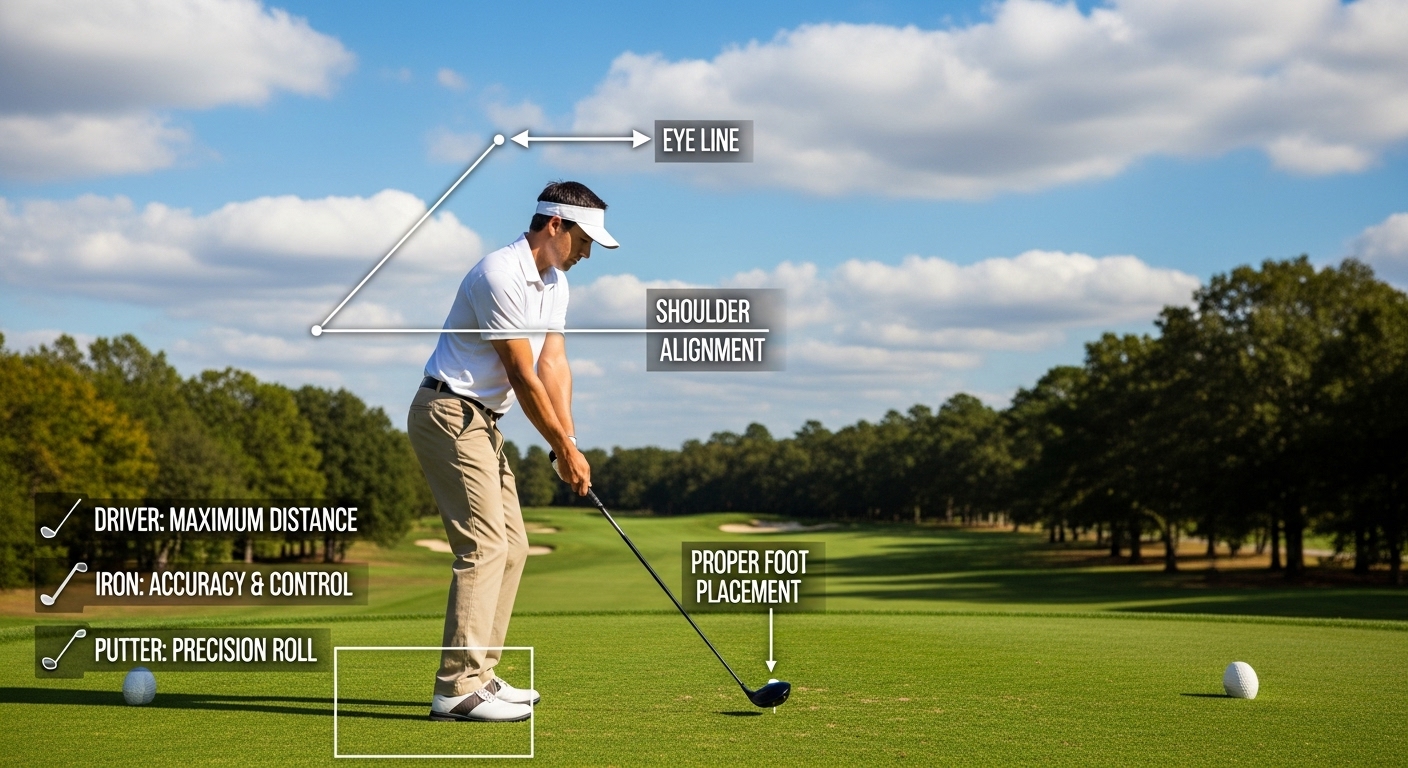
Why Lie Angle Matters
Even small differences in lie angle can make a big impact on your game. Here’s how lie angle affects your shots:
- Accuracy: Proper lie keeps the clubface square to your target line at impact.
- Consistency: Correct lie promotes uniform contact and prevents hooks or slices caused by misalignment.
- Ball Flight: Adjusting lies can subtly influence the curvature of your shot and trajectory.
For golfers looking to optimize their ball flight, lie angle is just as important as loft, shaft flex, and swing path.
Determining Your Ideal Lie
Your ideal lie angle depends on your height, arm length, posture, and swing style. Taller players or those with steeper swings may benefit from more upright lie angles. Shorter players or flatter swing paths might do better with flatter lie angles.
Custom club fitting can precisely measure your ideal lie. Using specialized tools, a fitter can analyze your swing and stance to ensure the clubhead meets the ground correctly, improving accuracy and reducing mis-hits.
Adjusting Lie on Modern Clubs
Many irons can be adjusted slightly to match your personal lie angle. Small adjustments can have a noticeable effect on your shot direction and consistency.
When adjusting lie:
- Make small changes at a time.
- Test the results on the range.
- Avoid extreme adjustments that may negatively affect other aspects of your swing.
What Is Club Lie?
Club lie refers to the angle between the club’s shaft and the ground when the sole of the club is resting properly. It is different from loft, which controls the height and spin of the ball. Lie directly affects the direction the ball travels.
If the line is too upright, the toe of the club may lift off the ground, causing shots to go left for right-handed golfers. If the lie is too flat, the toe may dig into the ground, sending shots to the right. Getting the correct lie ensures that the clubhead makes square contact with the ground at impact, helping your shots go where you aim.
Common Lie Angle Myths
There are a few common misconceptions about lie angle:
- Lie only matters for pros: Golfers of all skill levels benefit from clubs fitted to the correct lie.
- One-size-fits-all clubs are enough: Using standard lie angles can lead to inconsistent shots for players with unique body types or swings.
Correcting your lie angle can be a simple way to dramatically improve accuracy and confidence in your game.
Conclusion
The lie angle of your golf clubs plays a crucial role in accuracy and consistency. Understanding how lie affects ball direction and trajectory can help you make smarter equipment choices and improve your performance on the course. For more guidance, explore the Spine Align Golf Academy videos or start using the Spine Align App to track your swing and optimize your clubs for your game.

 Club
Club
Categories


