Smarter Golf Starts With Better Motion
The impact position is the defining moment of every golf swing. It is the instant when the club meets the golf ball and your mechanics either produce a powerful accurate shot or a mishit that sends the ball off line. Understanding and refining your impact position is essential for golfers who want better consistency, added distance and improved ball control.
A solid impact position is not simply the result of a good downswing. It is the culmination of proper setup rotation sequencing and balance. When all of these components sync together you give yourself the best chance to deliver the clubhead squarely with the right angle of attack and the correct dynamic loft.
Golfers who struggle with weak shots, slices, thin or fat strikes usually have breakdowns in impact fundamentals. By focusing on the key elements below you will quickly learn what solid striking feels and looks like.
At impact the club shaft should lean slightly toward the target. This allows you to compress the golf ball especially with irons. Forward shaft lean also ensures your hands are ahead of the clubhead which promotes clean crisp contact.
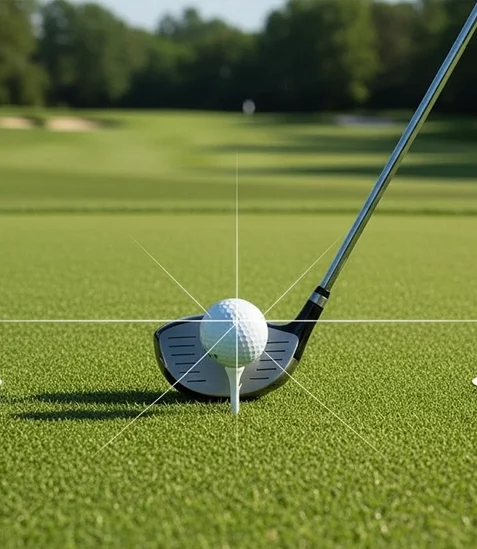
A square clubface at impact sends the ball on your intended starting line. Open faces create slices and fades while closed faces lead to hooks. Improving your grip wrist angles and rotation will help consistently square the clubface through impact.
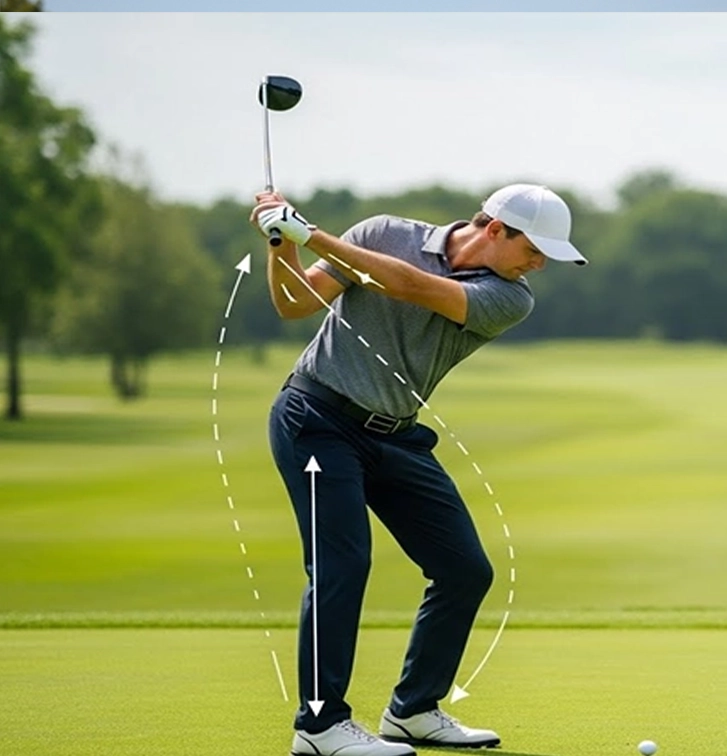
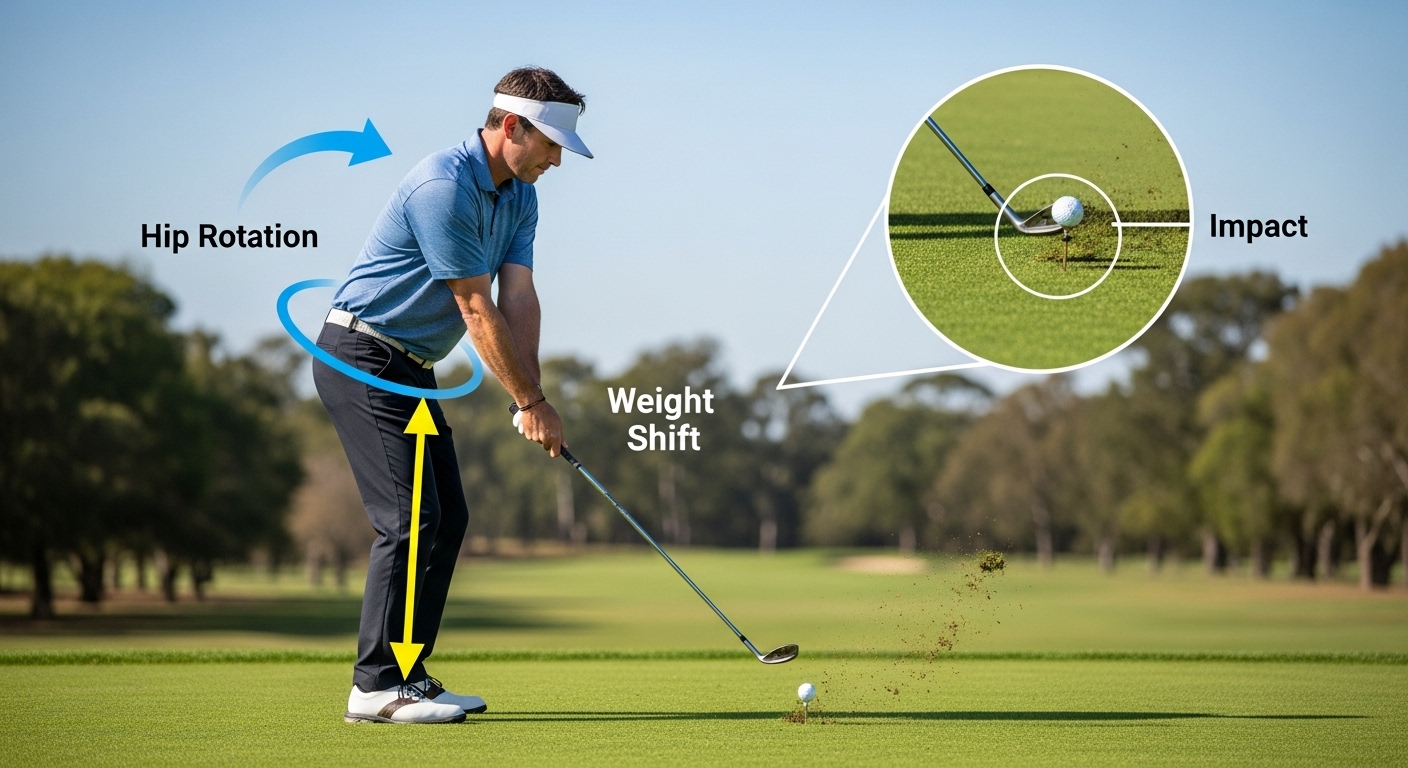
Transferring pressure into your lead side is essential for a controlled downward strike. Many amateurs hang back on the trail foot which causes thin or topped shots. At impact most of your weight should be over your lead leg with the hips slightly rotated open.
Your hips should already be opening toward the target while your shoulders remain more square. This separation creates power and sets the path for the club to approach the ball from the inside.
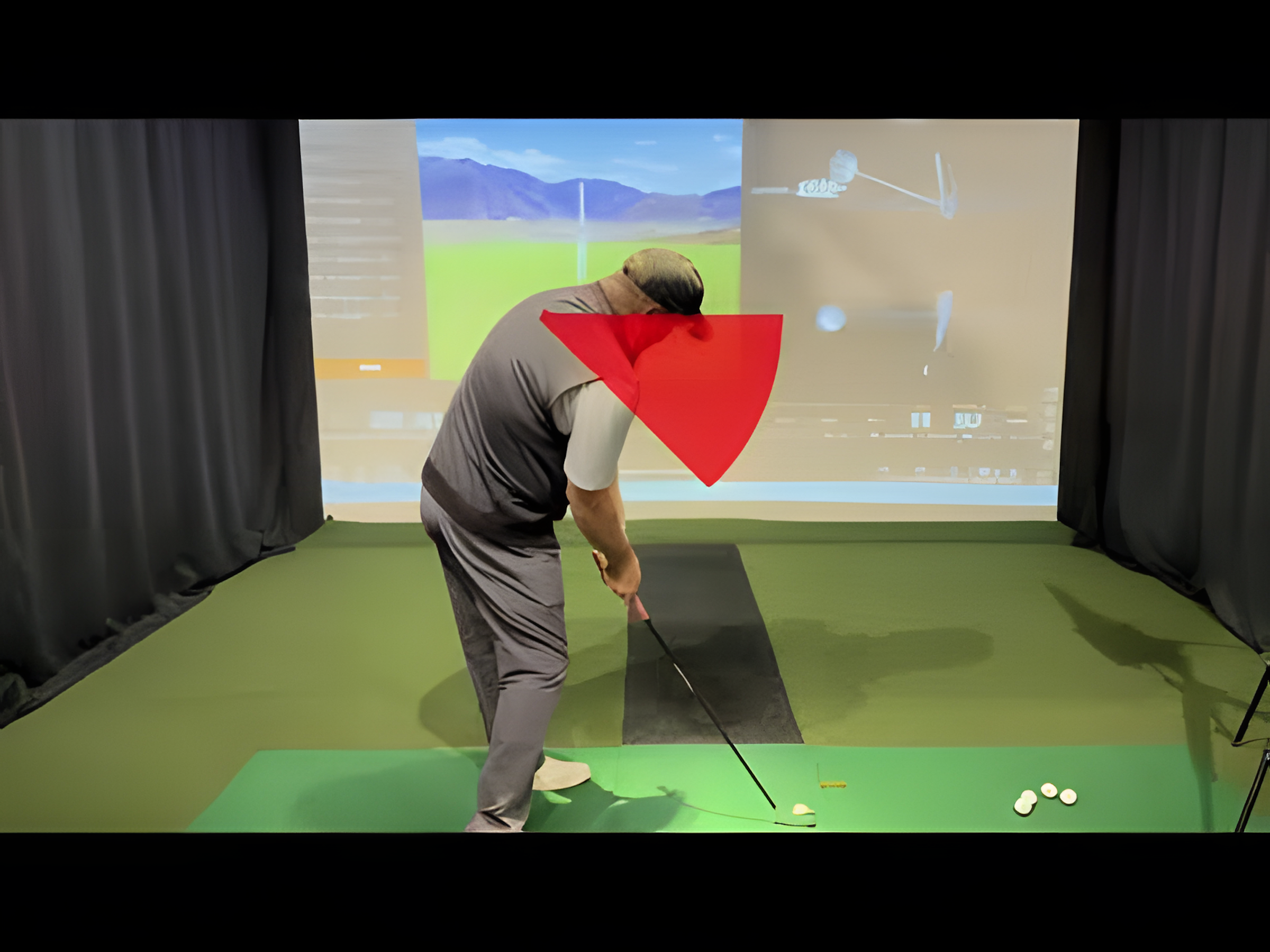
Your head should remain steady without dipping or lifting. Too much movement disrupts your low point and creates inconsistent strikes. Keeping your head stable lets your body rotate freely while maintaining balance.
A firm flat lead wrist stabilizes the clubface and contributes to better compression. A flipping motion with the wrists leads to scooping and loss of power. Keeping the lead wrist firm allows the club to release naturally after impact.
Casting the club before impact reduces power and dynamic loft control. The goal is to maintain your wrist hinge until your hands are near the ball.
Golfers who fail to shift weight forward struggle to make solid contact. This often produces fat shots or high weak strikes.
Improper grip or rotation makes it difficult to square the face consistently. This usually results in hooks or slices.
Losing posture by straightening the legs or lifting the chest moves the low point too far back. Maintaining posture is key for predictable contact.
Using an impact bag helps you feel the forward shaft lean proper weight distribution and solid wrist angles.
Practicing in slow motion trains your body to move in sequence and allows you to hold impact checkpoints.
Using drills that encourage loading into your lead leg builds a more athletic stable hit through the ball.
Practicing your impact position in front of a mirror helps you reinforce alignment shaft angles and posture.
Mastering your impact position leads to cleaner strikes, more distance and greater control. Every golfer can improve this moment in the swing by focusing on weight shift, wrist stability, hip rotation and a square clubface.
Swing Tips