

Smarter Golf Starts With Better Motion

Building a Full Wrist Hinge at the Top of Your Swing

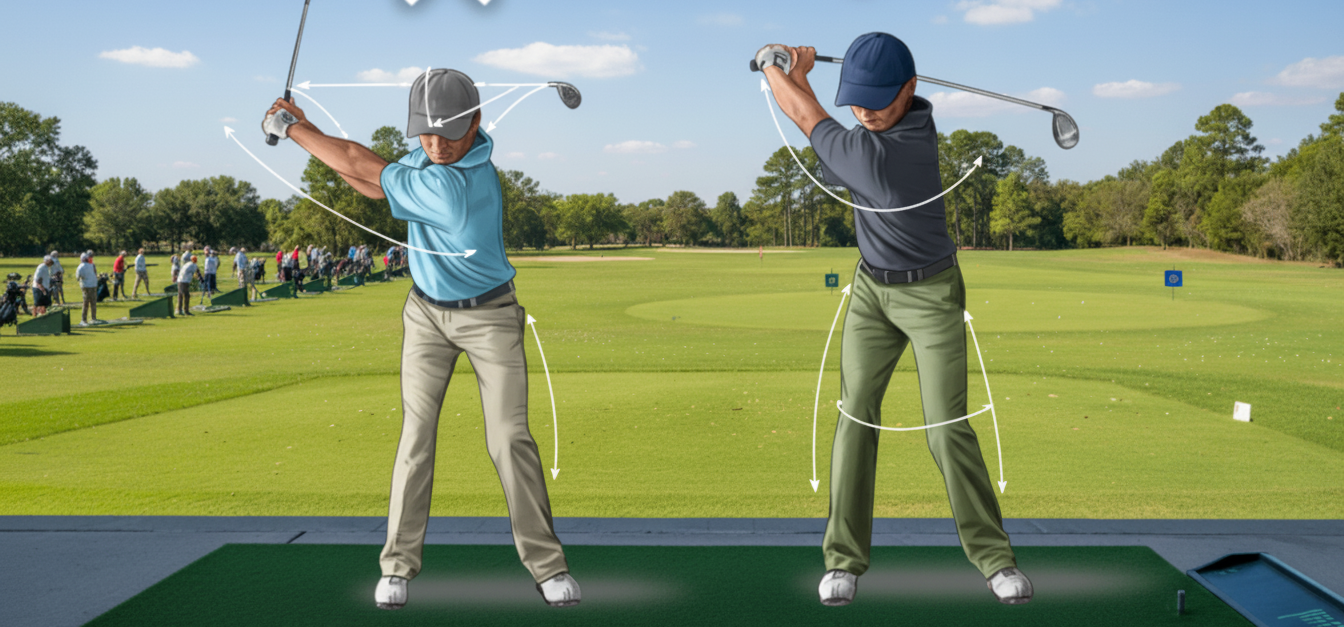
A full wrist hinge at the top of the swing is one of the most effective ways to add controlled power accuracy and efficiency to your golf game. At Spine Align Golf we teach golfers to hinge the wrists naturally rather than forcing the club into awkward positions. When done correctly a full wrist hinge helps you store energy, maintain structure and control the clubface for a more reliable downswing.

wrists hinge

Why a Full Wrist Hinge Matters

Creates Leverage and Stored Energy

A proper hinge allows the club to form an angle between your lead arm and the shaft. This angle acts like a power source during the downswing helping you generate speed without extra effort.

Keeps the Club on a Strong Plane

A balanced hinge guides the club to a stable top position. Without this hinge the club often gets laid off too flat or becomes too steep which leads to timing issues during the downswing.

Improves Clubface Control

When your wrists hinge correctly the clubface remains square and predictable. Golfers who skip the hinge or hinge too late often fight inconsistent direction and weaker strikes.

Common Problems When Hinging the Wrists

  • Overhinging until the club collapses behind the body.
  • Keeping the wrists too stiff resulting in a restricted backswing.
  • Letting the club cup excessively which opens the face.
  • Rolling the wrists early which causes loss of structure.
  • Forcing the hinge instead of letting it develop naturally.

These issues increase the difficulty of controlling both direction and power.

Key Swing Thoughts for a Better Wrist Hinge

Let the Hinge Build Gradually

Your wrists should hinge smoothly as your arms and shoulders complete the backswing. Avoid snapping the club upward or setting the hinge too early.

Keep the Lead Arm Strong but Relaxed

A relaxed lead arm helps maintain width while allowing the wrists to set cleanly. Too much tension restricts movement and leads to a forced hinge.

Maintain a Neutral Clubface

As your wrists hinge the clubface should stay square rather than flipping open or closed. A square clubface at the top prepares you for a controlled transition.

Feel the Weight of the Club

Instead of forcing hinge motion use the weight of the clubhead to help your wrists set naturally. This builds a more repeatable top position and prevents strain.

Do Not Overdo the Angle

A full hinge does not mean a dramatic or exaggerated position. Aim for a strong clean angle that supports power without sacrificing control.

How to Practice a Proper Wrist Hinge

  • Take slow rehearsal swings that stop at the top.
  • Observe whether your wrists hinge naturally or remain stiff.
  • Check that your clubface and lead arm remain structured.
  • Swing down in slow motion to feel how the hinge releases into impact.
  • Repeat until the hinge feels smooth and effortless.

Conclusion

A full wrist hinge at the top of the swing gives you more power control and accuracy without adding strain or complication to your swing. By training a natural wrist set you build a reliable foundation for the entire downswing. Explore more top of the swing guides in the Spine Align Golf knowledgebase or download the Spine Align App to get personalized training sessions and Gold Academy videos that help you refine each phase of your swing.

Product added to cart View Cart