Smarter Golf Starts With Better Motion

Understanding Golf Handicap and How It Measures Your Playing Ability

A golf handicap is one of the most important tools for helping golfers track improvement, compare performance and compete fairly with players of different skill levels. At Spine Align Golf we believe that understanding your handicap can strengthen your confidence, highlight your weaknesses and help you set realistic goals for your development on the course. This guide explains what a handicap is, how it works and why it matters for every golfer.

Handicap

What Is a Golf Handicap

A golf handicap represents a numerical measure of a golfer’s playing ability. It shows how many strokes over par a golfer typically shoots in a round. Handicaps allow golfers of various skill levels to compete evenly because weaker players receive extra strokes while stronger players give strokes.

In simple terms the lower your handicap the stronger your playing ability and the higher your handicap the more strokes you generally need to complete a course.

How a Handicap Is Calculated

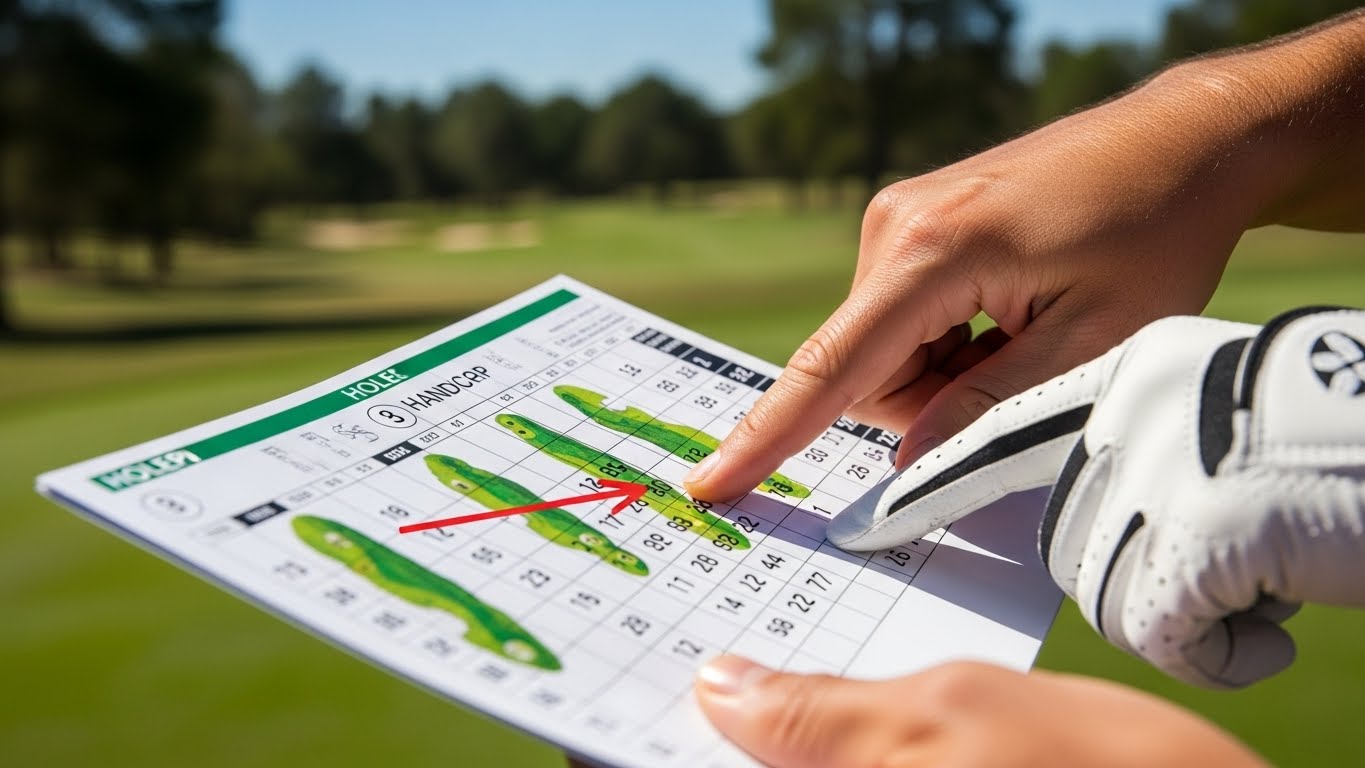
Handicap calculations are based on adjusted gross scores, course rating and slope rating. These elements combine to show how difficult a course is and how well you performed relative to that difficulty.

A golfer does not need to shoot perfect rounds to build a handicap. Instead the system looks at your scoring potential by using your best rounds and adjusting them to match standard course difficulty.

Why Handicaps Are Important

Handicaps provide valuable insight into your performance and progress. A handicap helps you:

  • Track long term improvement.
  • Identify strengths and weaknesses.
  • Compete fairly with golfers of different skill levels.
  • Set realistic goals during practice.
  • Measure consistency in scoring.

Handicaps also create a level playing field in recreational rounds, leagues and tournaments.

Handicap Index vs Course Handicap

A handicap index is your universal number that represents overall playing ability and is portable from course to course. A course handicap adjusts that index to account for the specific course rating and slope rating of the course you are playing.

Your course handicap determines how many strokes you receive on that specific course for that specific tee box.

What Is a Good Handicap

A good handicap depends on your goals and experience. Many recreational golfers fall between a handicap of 15 to 25. More advanced golfers often play at single digit handicaps. Professional golfers play at or near scratch meaning a handicap of zero.

The goal is not to match someone else’s number but to steadily improve your own.

How to Lower Your Handicap

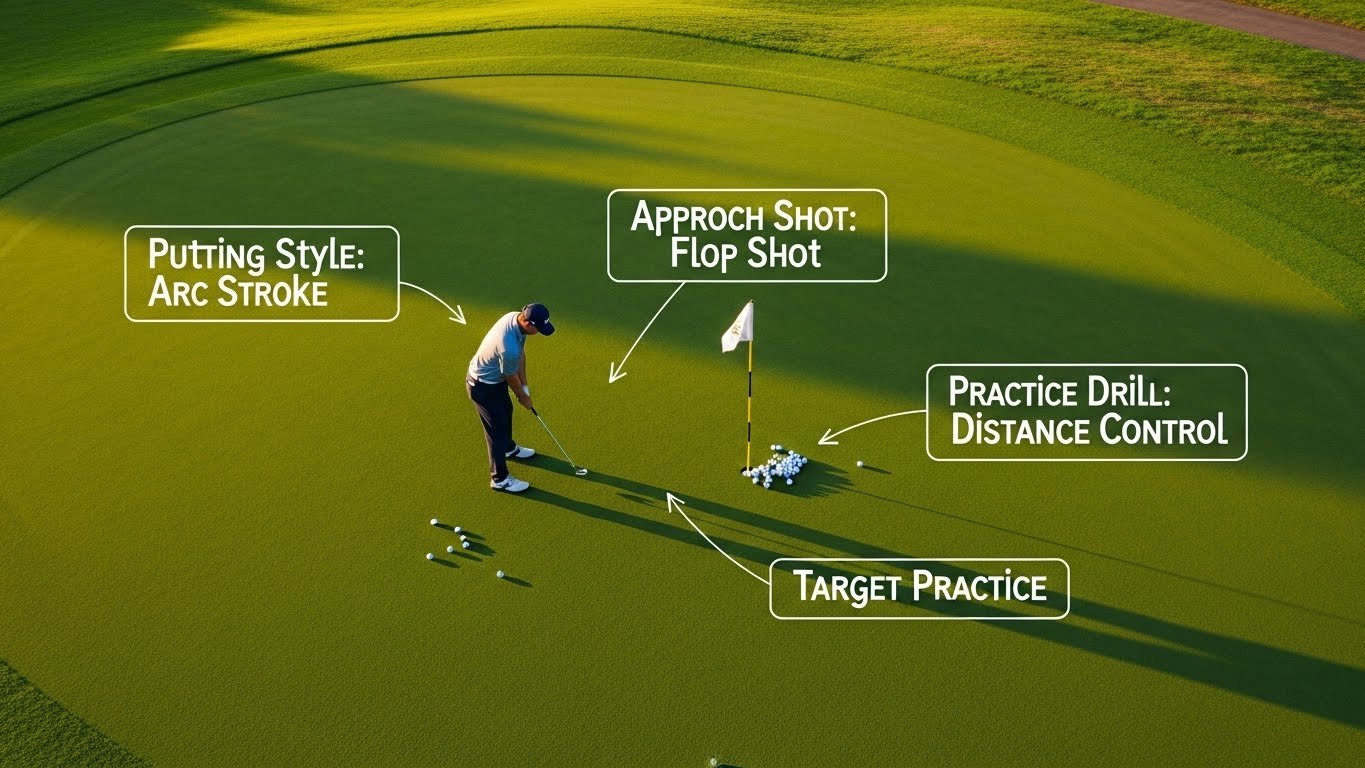
Lowering your handicap requires consistent practice on key parts of your game. Focus on:

  • Improving accuracy from the tee.
  • Strengthening short game skills.
  • Enhancing putting control.
  • Tracking performance patterns.
  • Practicing with clear intention and structure.
short game strategies

Using tools like the Spine Align App makes it easier to analyze your swing, understand errors and improve your scoring potential.

Build a Better Understanding of Your Game

Knowing your handicap helps you make smart decisions on the course and gives you a measurable way to track growth. Understanding scoring potential encourages thoughtful practice and boosts your confidence as your numbers improve.

Conclusion

Mastering your handicap is a key part of developing as a golfer. When you understand how it works and how to improve it you gain a clearer view of your strengths, weaknesses and scoring potential. Explore more detailed guides in the Spine Align Golf knowledgebase or download the Spine Align App for personalized performance tracking and Gold Academy training sessions that give you the tools to lower your handicap faster and with purpose.

Product added to cart View Cart