Smarter Golf Starts With Better Motion
Understanding the parts of a golf club is one of the most important foundations for improving your swing equipment choices and overall performance. Every component of a golf club influences how the club feels, moves and interacts with the ball. This clear and beginner friendly guide from Spine Align Golf explains each major part of a golf club so golfers can make informed decisions and refine their technique with greater confidence.
The grip is the topmost part of the golf club and is the section you hold during the swing. A good grip provides traction control and comfort which helps maintain consistent pressure throughout the swing. Grips come in different textures, sizes and materials to match personal preference. Replacing worn grips is essential for maintaining control and accuracy.
The shaft connects the grip to the clubhead and plays a major role in how the club performs. It influences swing speed control and the overall feel at impact. Shafts vary by flex weight and material with common options including steel and graphite. Choosing the right shaft ensures proper launch conditions and helps golfers produce more reliable shots.
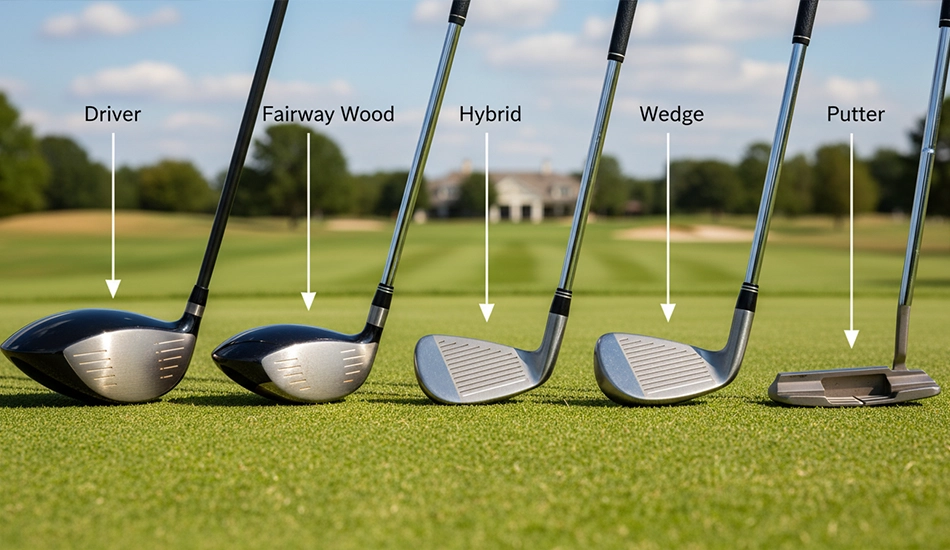
The clubhead is the part of the club that strikes the ball. Its design affects distance, launch height forgiveness and spin. Drivers have large lightweight clubheads for maximum distance while irons and wedges have more compact shapes to provide control and precision. Putters use flat faced designs to roll the ball smoothly across the green.
The face of the clubhead is the striking surface that makes direct contact with the ball. The grooves on the face help generate spin and affect how the ball launches. Different clubs have different face characteristics such as deeper grooves on wedges for improved spin around the greens or larger sweet spots on woods to encourage forgiveness on off center hits.
Loft is the angle of the clubface that controls height and distance. Higher lofts produce higher shorter shots while lower lofts create longer lower shots. Loft influences launch spin and trajectory making it a crucial factor when selecting clubs for your bag. Understanding loft helps golfers choose the right club for each situation and avoid common mis-hits.
The hosel is the part of the clubhead where the shaft is inserted and secured. It influences the lie angle which determines how the club sits at address. Many modern clubs feature adjustable hosels that allow golfers to change loft lie and face angle for better customization. A properly fit hosel angle helps ensure clean contact and better accuracy.
The sole is the bottom part of the clubhead that interacts with the turf. Its shape and width affect how easily the club glides through grass, sand or other surfaces. Wider soles are common on game improvement irons and wedges because they help reduce digging while thinner soles offer more versatility for advanced shot making. Understanding your sole design can help you improve ball contact and consistency.
The leading edge is the front edge of the clubhead that first meets the turf. A sharper leading edge helps golfers nip the ball cleanly from tight lies while a more rounded edge provides smoother turf interaction for beginners or high bounce wedges. The design of the leading edge plays a major role in how consistent your strike becomes especially on irons and wedges.
Lie angle measures the angle between the shaft and the ground when the club is in its playing position. A correct lie angle ensures the sole makes even contact with the turf. If the lie angle is too upright or too flat it can cause shots to curve unintentionally. Custom fitting often includes lie angle adjustments to improve accuracy.
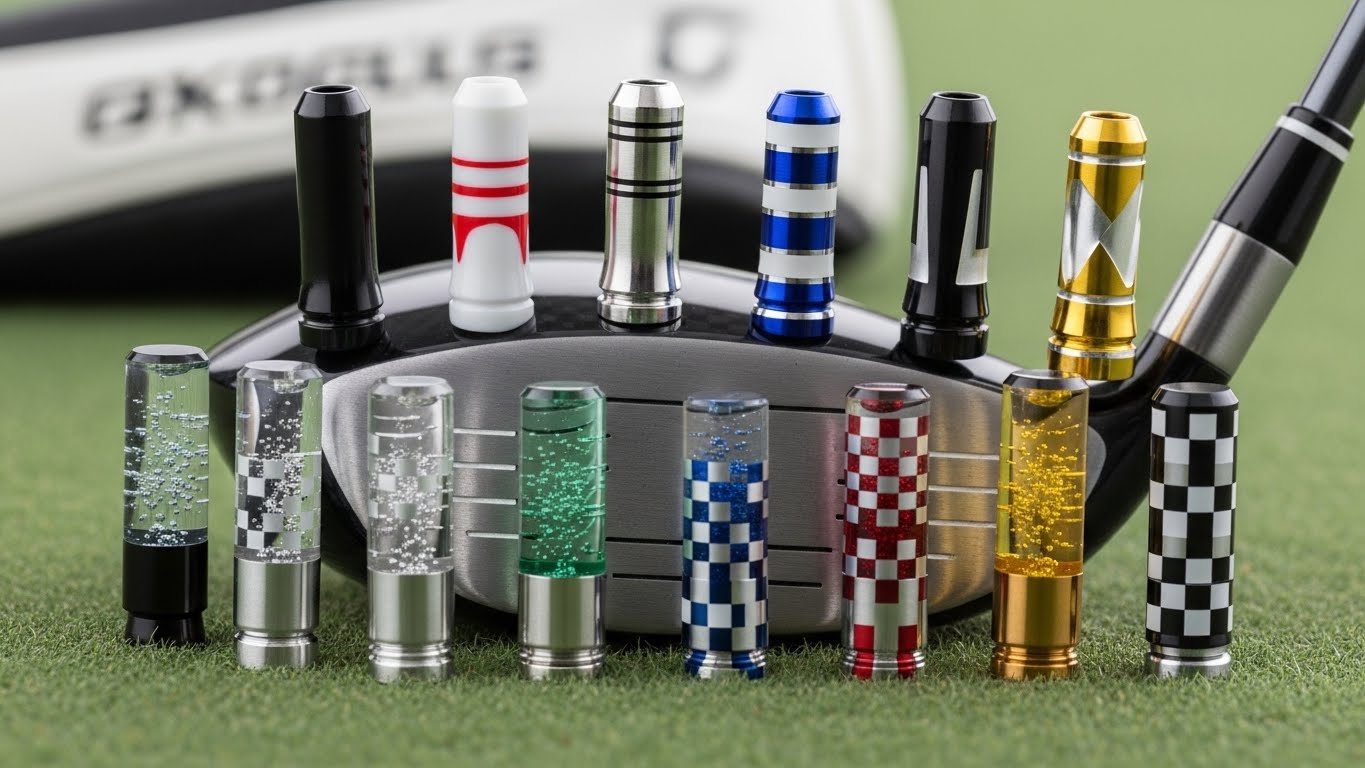
The ferrule is the small decorative piece that sits between the hosel and the shaft. While it does not affect performance it helps create a smooth transition between parts and adds a finished look to the club. Some ferrules are simple and others are designed with unique patterns for customization.
Knowing the parts of a golf club helps you understand why your equipment performs the way it does and how to make better decisions during practice and play. With this guide from Spine Align Golf you can identify each component and see how it influences your swing. To continue building your knowledge, explore more articles in the Spine Align knowledgebase or download the Spine Align App to get personalized swing training and full access to the Gold Academy video library.
Golf Terms