Smarter Golf Starts With Better Motion

How to Hit a Draw Punch Shot

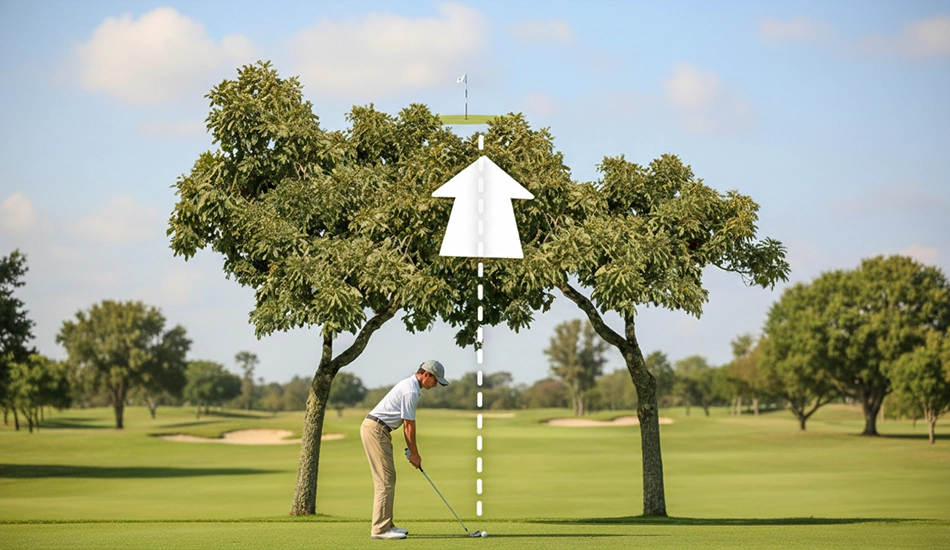
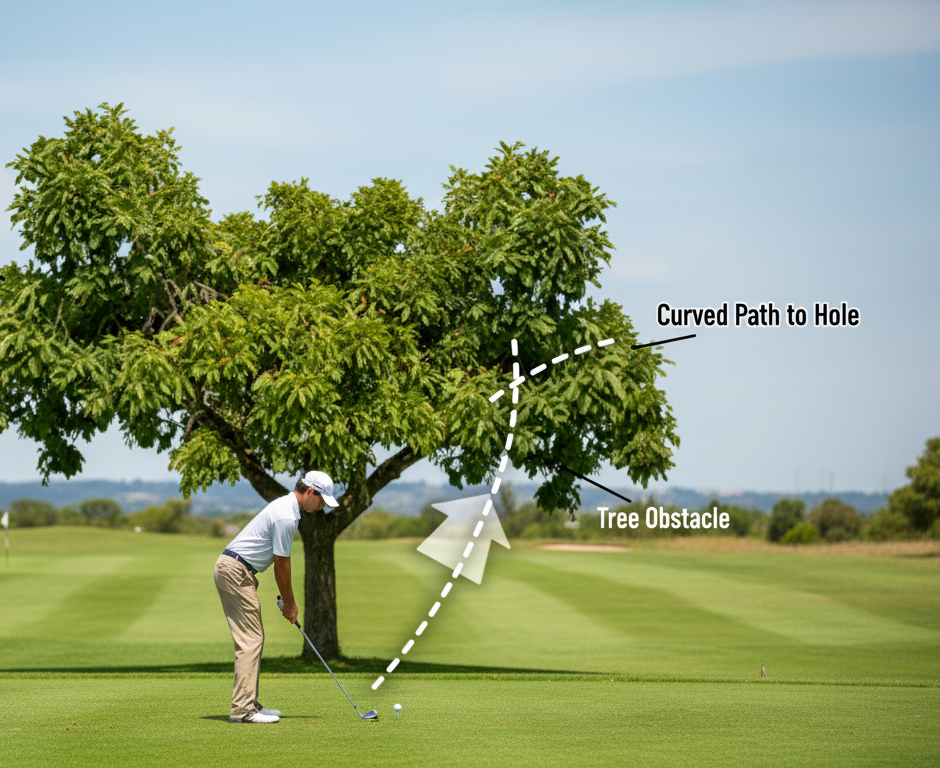
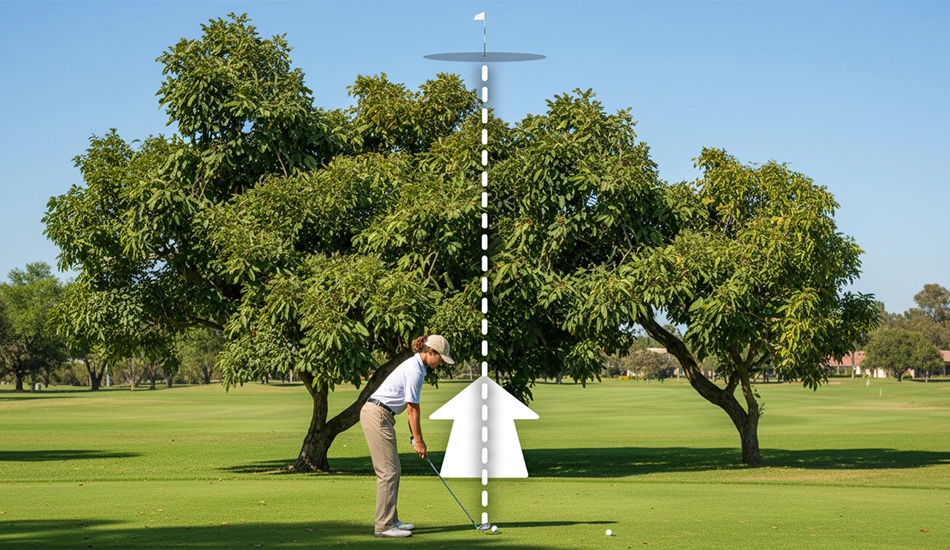
When tree branches block the straight path to the green, golfers often need a shot that curves around obstacles while staying low to the ground. The draw punch shot is one of the most useful specialty shots for escaping trouble and advancing the ball safely. With a controlled low launch and a gentle right to left curve for right handed golfers this shot can save strokes and keep momentum on your side.

Thin Shots

Setup for a Successful Draw Punch Shot

A strong punch draw starts with a setup that promotes both a low launch and a right to left curve. Small details make a big difference.

Key Setup Adjustments:
  • Choose a lower lofted club such as a 5 or 6 iron.
  • Position the ball slightly back in your stance.
  • Aim your body slightly right of your intended final target.
  • Keep the clubface slightly closed relative to your body alignment.
  • Shift a bit more weight toward your lead side.
  • Maintain hands ahead of the ball to encourage a forward leaning shaft.

This combination sets up a swing path that moves from inside to out while keeping the ball flight low and controlled.

When To Use a Draw Punch Shot

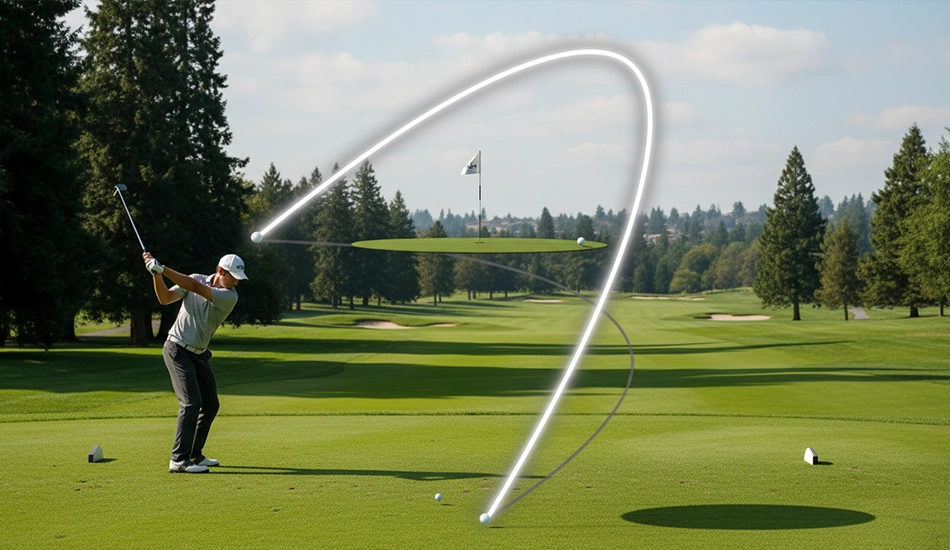
A draw punch shot works best when you need the ball to start slightly right of your target then curve back as it stays low. This is especially useful in the following situations:

High Shot Over a Tree
  • A tree blocks your straight line to the fairway or green.
  • You need a predictable curved escape that stays under branches.
  • Wind or course design encourages a controlled right to left ball flight.
  • You must advance the ball safely while maintaining accuracy.

Executing the Draw Punch Shot

With the setup in place the goal is to swing with a compact motion that delivers forward shaft lean and a smooth inside to out path.

Swing Keys:
  • Use a shorter backswing to reduce launch and maintain control.
  • Keep a stable lower body to avoid lifting the ball.
  • Swing along your body line which is slightly to the right.
  • Maintain a square to slightly closed clubface through impact.
  • Limit your follow through to help keep the ball flight down.
  • Focus on smooth tempo rather than power.

This motion creates the controlled low draw that bends around obstacles and rolls out predictably after landing.

Choosing the Right Club

Since punch shots rely on reduced launch you want to avoid high lofted irons. A lower lofted club helps the ball stay under trees and maintain its curved flight.

Guidelines for choosing the right club:
  • Pick a longer iron to keep the trajectory low.
  • Consider how much rollout you want after landing.
  • Evaluate the height of the branches you need to avoid.
  • Adjust club choice based on distance and curve required.

Common Mistakes to Avoid

A draw punch shot can fail if one part of the setup or swing is off. Avoid these frequent errors to maintain control.

Mistakes include:
  • Using too much loft.
  • Aiming the body or clubface incorrectly.
  • Over swinging and losing control of direction.
  • Allowing the ball to creep too far forward in the stance.
  • Adding too much wrist hinge which increases height.
  • Trying to force the curve instead of letting alignment and face angle create it.

Practice Drills to Improve Your Draw Punch Shot

Building confidence requires repetition. These practice drills will help you develop the feel and consistency needed to rely on this shot during a round.

Drills to try:
  • Hit a series of half swings keeping the finish short and controlled.
  • Practice aiming your body right while closing the clubface slightly.
  • Work with different low lofted irons to understand varying curve amounts.
  • Focus on strike quality by striking down on the ball with forward shaft lean.

Conclusion

The draw punch shot is one of the most versatile escape tools any golfer can master. Learning how to keep the ball low while curving it around trouble gives you more strategic options on the course and can save multiple strokes per round. To continue improving your specialty shots explore our next knowledgebase article on Creating Consistent Ball Flight Control or download the Spine Align App to learn proper alignment cues. For deeper guided training visit the Spine Align Golf Academy and follow detailed lessons from our certified coaches.

Product added to cart View Cart